

Beyond the Runway
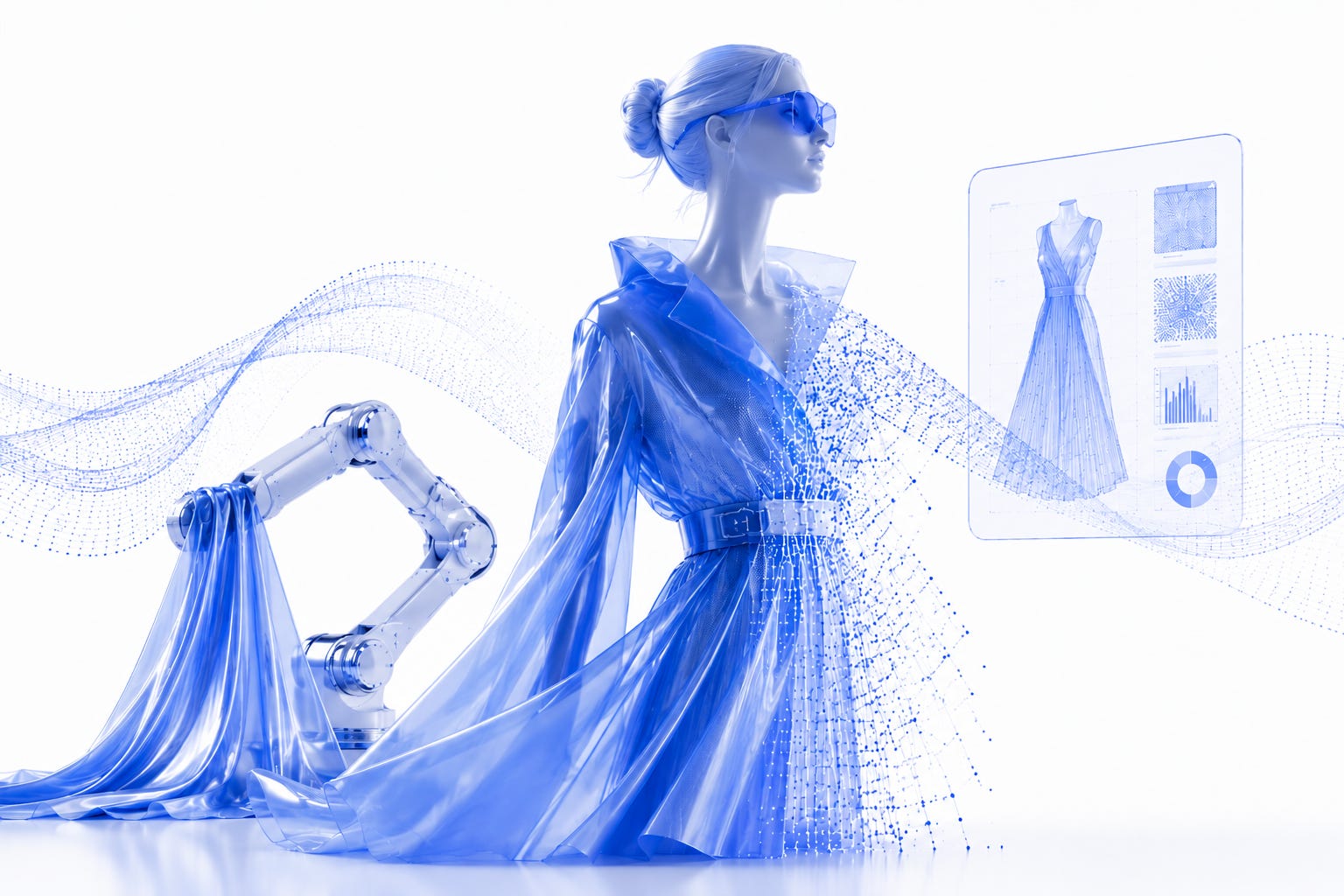
💙 This month we explore how AI is becoming the operating system of fashion as it reshapes design, manufacturing, personalization, resale, and the next generation of creative tools.


New Renaissance Notes: a monthly newsletter where we share insights about the intersection of culture, creativity and technology. We include our updates from New Renaissance Ventures - Europe’s first venture fund dedicated to the Creative and Cultural Industries.
If you haven’t subscribed yet you can join our journey here:
See here for our previous edition: ‘The Missing Soundtrack: Why Audio is AI’s Hardest Frontier’
💙 NRV News:
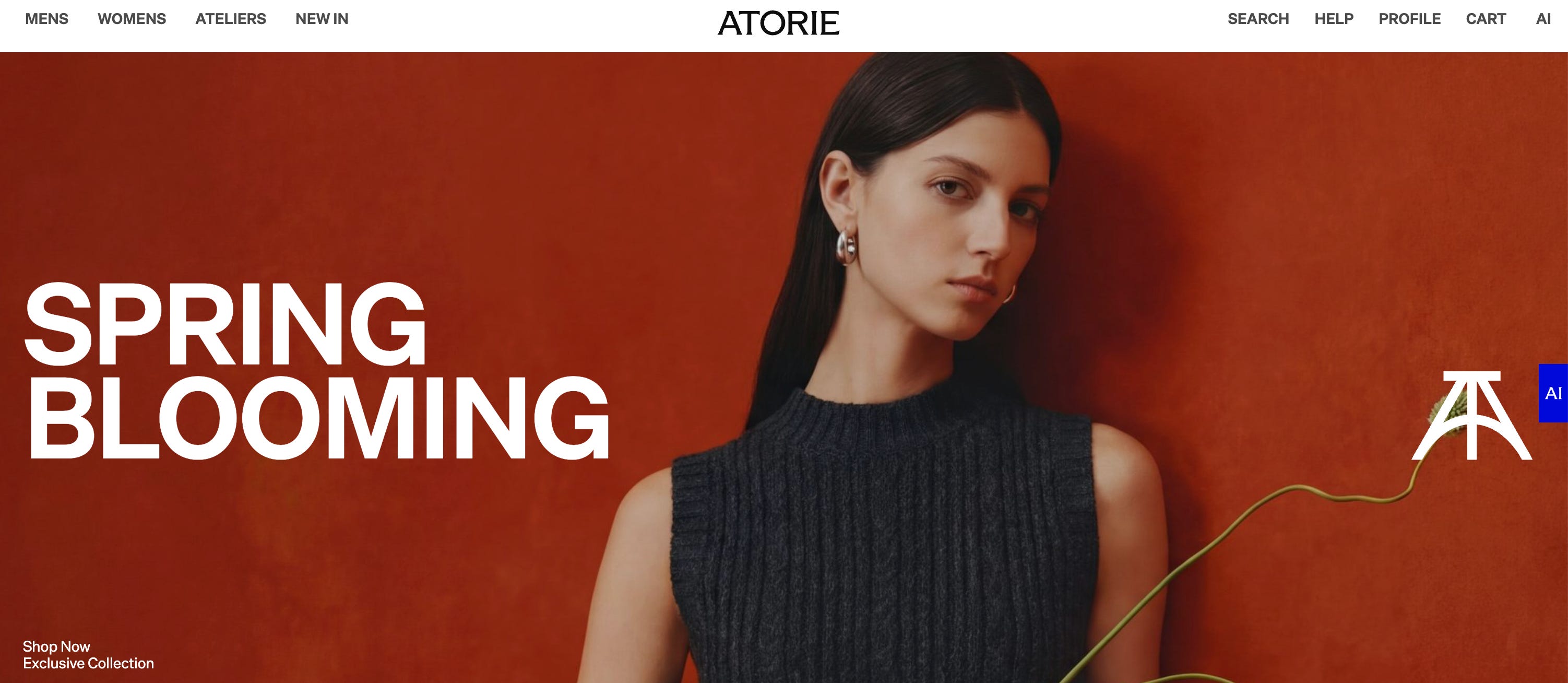
🎉 We’re excited to invest in Atorie, an AI operating system that connects factories directly to consumers (C2M). By matching real-time demand with production, they eliminate fashion inventory waste, middlemen, and guesswork.
💎 We also closed another investment in the consumer hardware space (in stealth) alongside prominent top tier angels. The design-first wearables company is building a voice-first personal operating system designed to act as a digital consciousness.
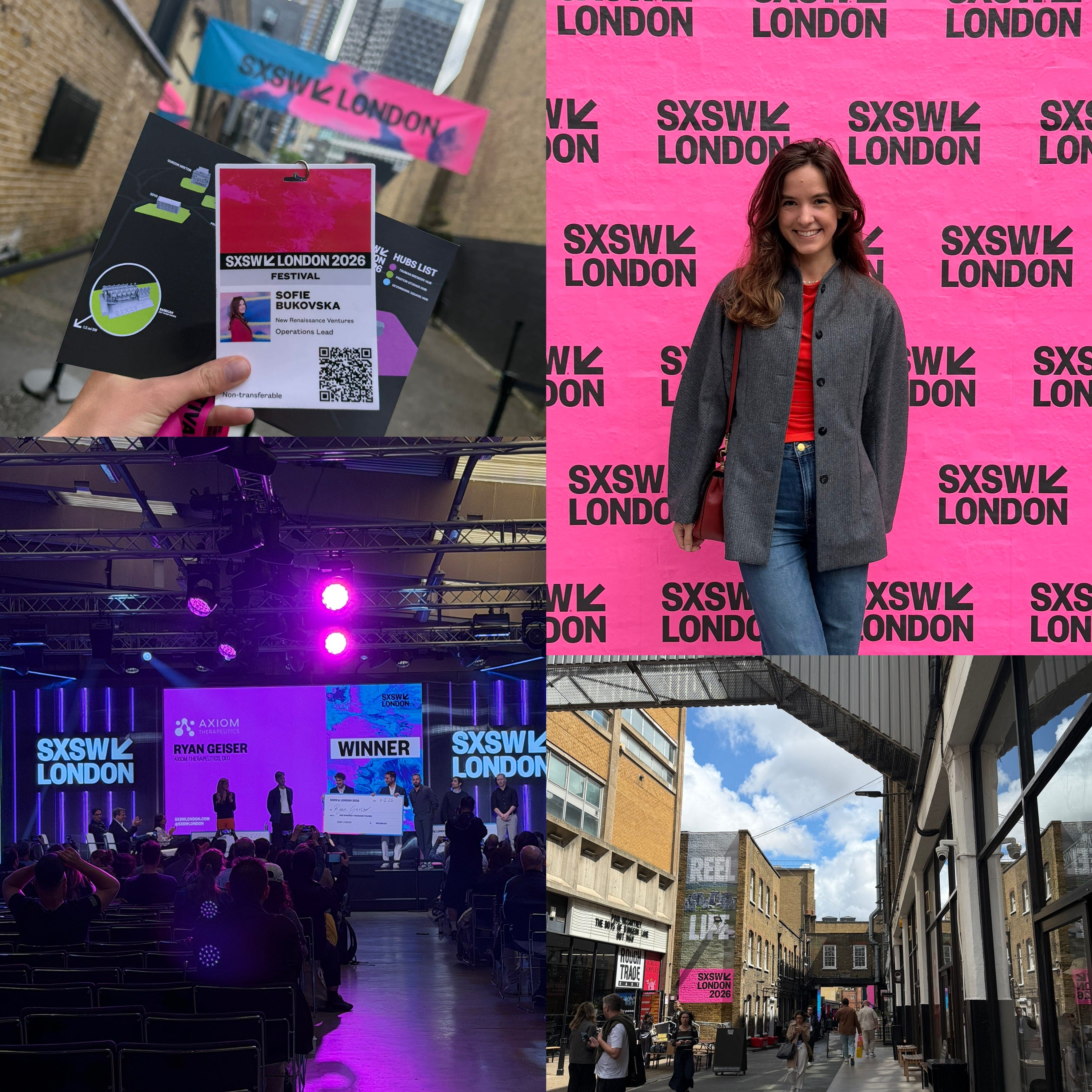
🪩 Attending SXSW London at the beginning of June was so much fun, as usual, side events were the best places to meet artists, creators, tech founders IRL. Several of our portfolio companies were involved in the programming.
💙 The New Creative Stack: Fashion Edition
Earlier this year, global leaders gathered at the UN Fashion and Lifestyle Network to address a new reality for the fashion industry. Faced with economic volatility and shifting trade maps, the conversation around AI has drastically changed.
AI can help produce an ad super efficiently, but for the core creativity behind the idea to resonate well with the target audience, it still most come from humans. Emanuela Prandelli (Professor, Bocconi University)
AI is no longer just about the end product, it is becoming an integral part of the operating system of fashion companies. By embedding these technologies deep into the end-to-end value chain, the industry is transforming how fashion is actually made, driving a long-awaited shift from mass production toward mass personalization.
1. The Efficiency Paradox: Beyond the Marketing Hype
According to McKinsey’s State of Fashion 2026 report, over 35% of executives have already deployed generative AI for routine tasks like copywriting and image creation. However, the real alpha isn’t in generating a prettier ad, but in solving the industry’s waste and efficiency problem.
The current macro environment characterized by fluctuating US tariffs and global instability has turned agility into a survival metric. Brands can no longer rely on price-led growth. Instead, they are turning to agentic AI to reshape how they design and produce.
The New Production Stack
The goal is no longer just speed. Integrating AI deeper into the supply chain can decrease fabric waste and unlock product cost savings in the process.
Leading this charge is Smartex, which utilizes machine vision AI to detect textile defects in real-time, effectively halting fabric waste before it even leaves the loom. Another example within high-tech manufacturing, Petratex has adopted virtual garment prototyping to completely eliminate the need for physical sampling.
These innovations are streamlining the design-to-approval cycle, proving that reducing a brand’s carbon footprint can go hand-in-hand with improving the bottom line.
2. From Value Chain to Value Circle: The C2M Revolution
The traditional fashion model is a linear, high-friction path:
Factory → Brand → Retailer → Customer.
This model is breaking.
We are seeing a move toward Consumer-to-Manufacturer (C2M) models where AI acts as the bridge, ensuring supply perfectly matches demand.
Leading this transformation is our very own portfolio company, Atorie. By connecting consumers directly with factories, Atorie bypasses the traditional retail markup entirely. Their AI goes beyond simple search functions. It acts as a digital consultant, solving the “what do I wear this with?” dilemma through contextual styling advice. Atorie provides an on-demand personal shopper that deeply understands factory capacity, representing the gold standard of the C2M evolution we are proud to support.
Another platform reshaping how fashion products are discovered is Daydream, where the UX is shifting from basic search to active consultation. It acts as an intelligent shopping layer that allows users to upload images and select ‘vibes’ to tailor their results.
Expanding on this visual-first shift is Hey Savi, the UK's first brand-agnostic fashion search engine powered by AI. Described as "Shazam meets Spotify, but for fashion," the company transforms the discovery process by letting users upload a screenshot and find shoppable matches from over 10,000 brands in seconds, it connects customers directly to retailers with their exact size and budget.
3. The New Consumer
The McKinsey 2026 report points to a clear shift in consumer psychology: well-being and longevity are becoming central.
Overwhelmed by endless choice and constant information noise, consumers are redefining value through self-expression and self-gifting.
For fashion brands, this means becoming more attuned to what value actually looks like today. The value lies in meaning, experience, and emotional connection and these are the drivers of lasting relationships with consumers.
This shift is already reshaping the market.
The mid-market segment is currently outperforming luxury in value creation, design-led brands are doubling down on product quality and in-store experience.
As part of this shift, one major tech-driven trend stands out for the fashion industry:
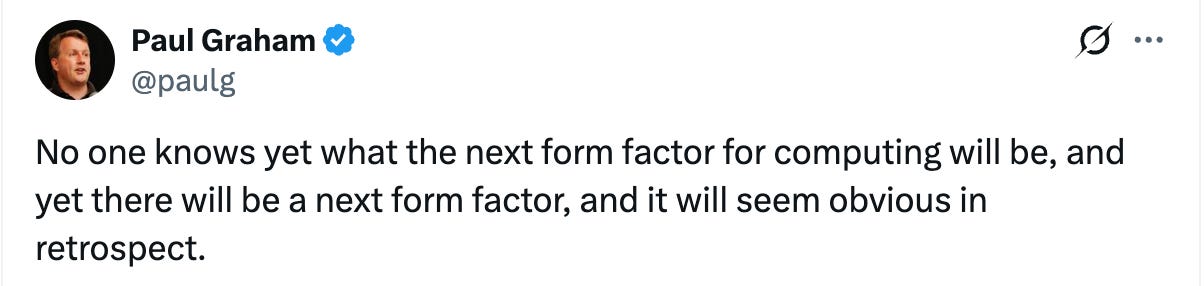
Wearable AI is moving beyond novelty. Style-conscious devices equipped with multimodal AI are set to redefine the wearables landscape in 2026, with several new smart formats emerging. The smart glasses category alone is projected to exceed $30 billion by 2030.
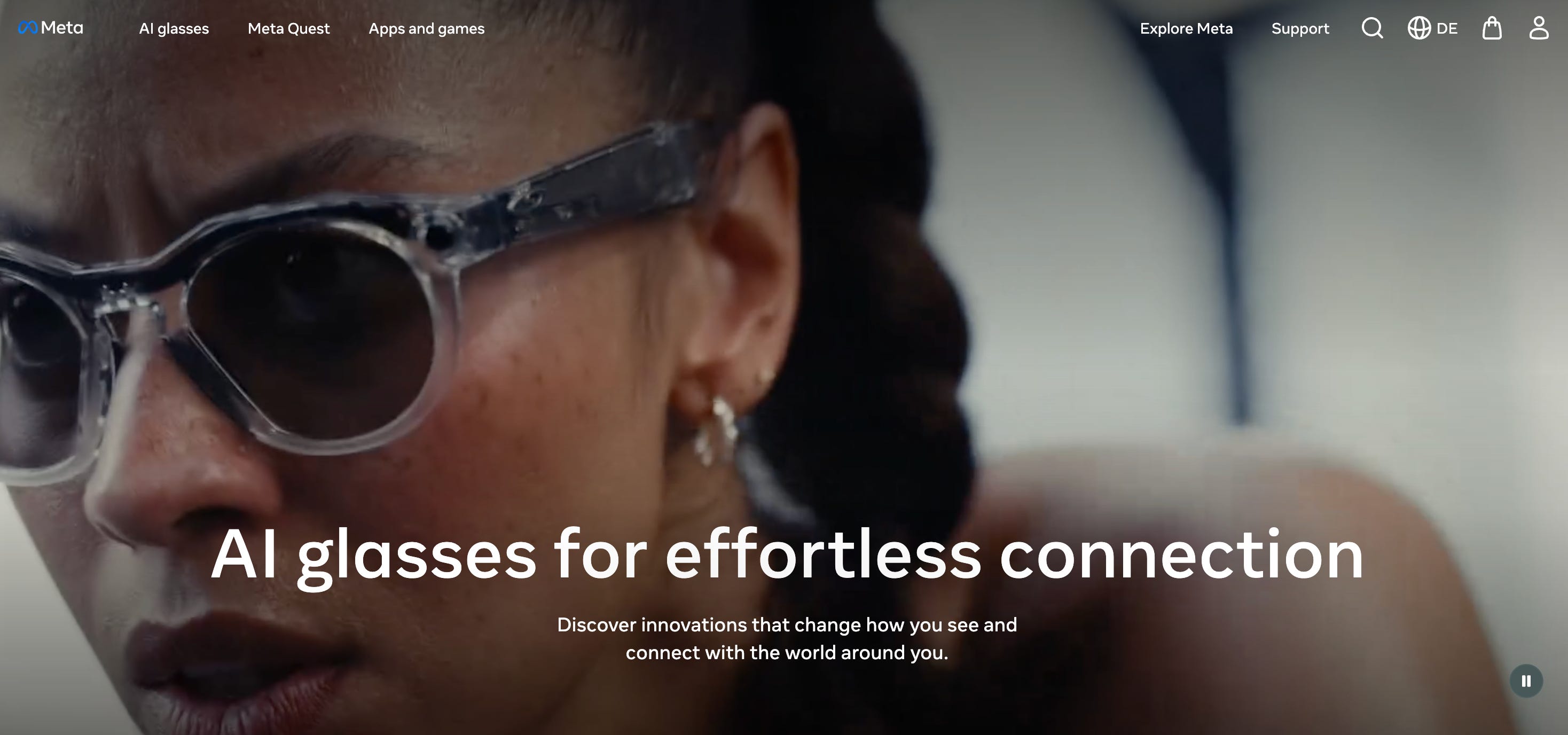
Reflecting this trend, we recently backed a stealth consumer hardware company building a design-first AI wearable powered by a voice-first personal operating system. We believe products like these represent the next evolution of human-computer interaction.
4. The Resale Sprint: Redefining Value and Uniqueness
Driven by a desire for accessible pricing and unique finds, the secondhand fashion market is accelerating. According to the McKinsey 2026 report, resale is forecast to grow two to three times faster than the firsthand market through 2027.
The current market maps across three distinct categories of price, volume, and curation:
The Managed Luxury: Companies include The RealReal, Vestiaire Collective or The Cirkel. These platforms focus on high-end designer goods where trust and authenticity are primary. They act as intermediaries handling the “hard part” of the transaction.
The Peer-to-Peer Marketplace: Companies include Depop or Vinted. This is the digital flea market segment characterized by lower price points (high street and fast fashion).
The Enabling Infrastructure: Emerging B2B tech solving friction points as the ecosystem scales. For example, Aistetic provides AI-driven 3D body measurement and sizing solutions to reduce the high return rates typical of online secondhand shopping.
We anticipate further market growth in specialized marketplaces for verified dealers, like vintage collective Known Source, alongside a platform-independent layer for trust and provenance.
Institutional support for this sustainable pivot is also accelerating. EIT Culture & Creativity just launched a €6 million funding call to shape the future of circular fashion. See here for more details.
5. The Unified Designer Workflow
While tools and foundation models from the big AI labs (e.g., Nano Banano) are changing the game, a generative model is just an engine. To manage this growing complexity, the New Creative Stack requires tools that bring design, visualization, and commerce into a single, cohesive workflow.
The winning platforms in this space act as the bridges - translating fragmented AI models into node-based workspaces where creators can chain multiple steps together.
Dedicated AI toolboxes like Fermat and Raspberry are leading this shift. These platforms enable fashion brands to design directly from moodboards, create realistic renders, apply materials and fit garments on virtual models.
Vizcom is another major player in this space, accelerating product development by turning sketches into 3D renders that designers can view, rotate, and refine.
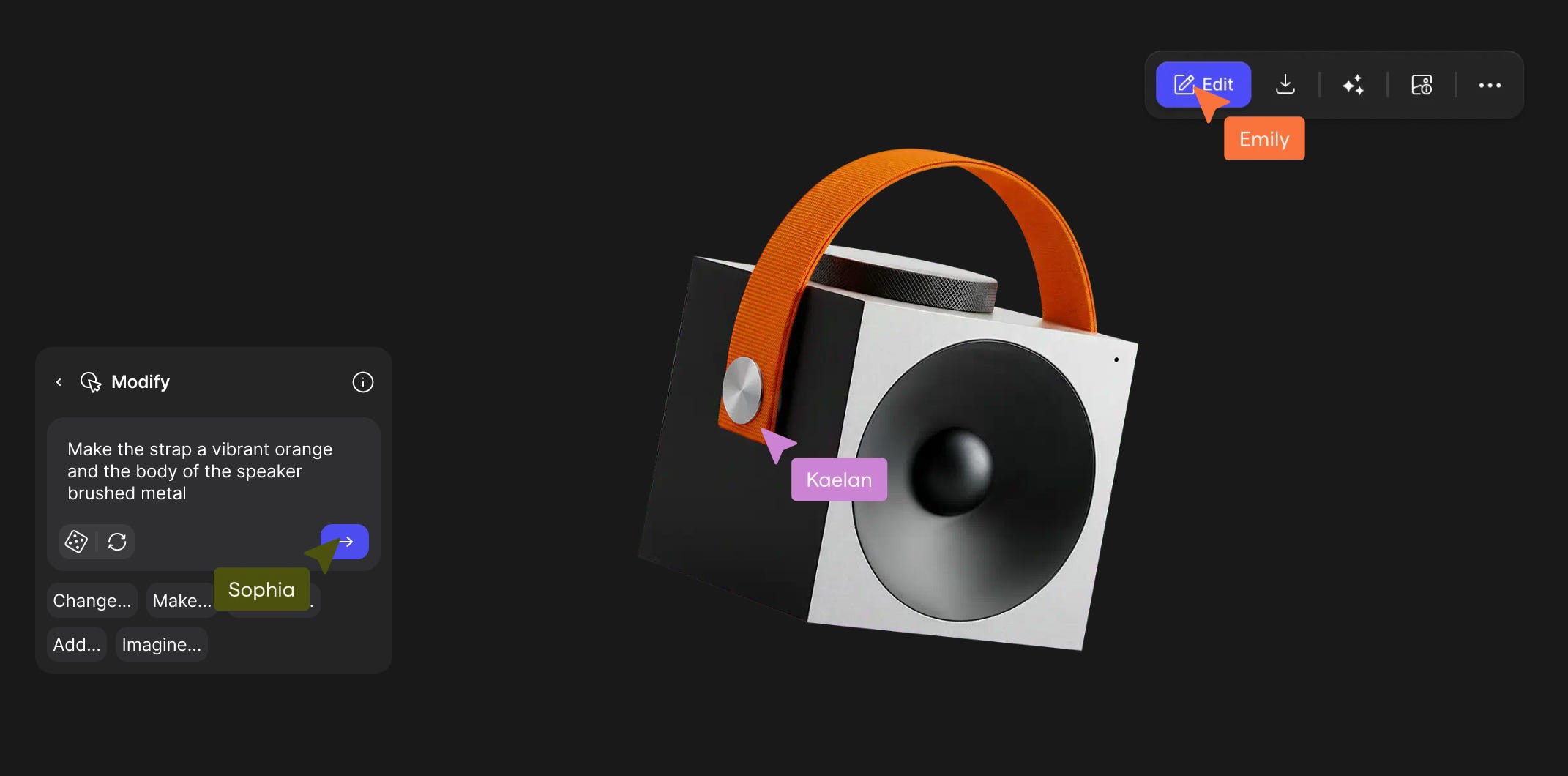
Another platform bridging the gap between creative vision and production is The New Black, which enables designers to move seamlessly from initial concepts to 3D visualization, production, and commerce.
The Bottom Line: Human-Centered Intelligence
Over 300 million people are employed across the global fashion industry.
With a workforce of this scale, the transition to AI must be human-centered.
As AI reshapes the industry, it is unlikely to replace high-end creative roles. Instead, it will shift existing jobs toward higher-value creative and analytical tasks. By automating production waste and retail friction, brands can refocus on craftsmanship and client trust.
Fashion has always been about people. The real opportunity lies in platforms that preserve human taste and creative direction, allowing fashion teams to scale without losing their creative soul.
💙 NRV Picks: Creative Tech Events (July)
2-5 July, Berlin Fashion Week 📍Berlin - Register here.
fal x Sequoia 72-Hour Video Hackathon 📍Remote - a 72-hour global build sprint for creative technologists, filmmakers, developers, designers, and creators pushing the frontier of AI-native storytelling. Register here.
1 July, Creative&Tech F*ckup Night 📍Berlin - This isn't your typical networking event. It's a F*ckup Night — a space where creative and tech people share their real professional mistakes, failures, and what came after. Register here.
4 July, RE-Connect, with BCNCreators 📍Barcelona - Bringing together an international, creative community here in Barcelona to connect, create & collaborate together. Register here.
July 10, Walk & Talk - Founders, Friends & Tech Geeks📍Stockholm - Join a small group of curious minds, founders, builders, investors, entrepreneurs, creatives, and tech geeks for a summer evening in Stockholm. Register here.
Thank You For Reading
Thanks for subscribing to New Renaissance Monthly - please feel free to share this newsletter with anyone you think would appreciate it! We welcome feedback so let us know your thoughts!
If you haven’t subscribed yet you can here:
For more regular updates, insights and resources follow us on Linkedin.
If you missed the past newsletters, you can catch up here.